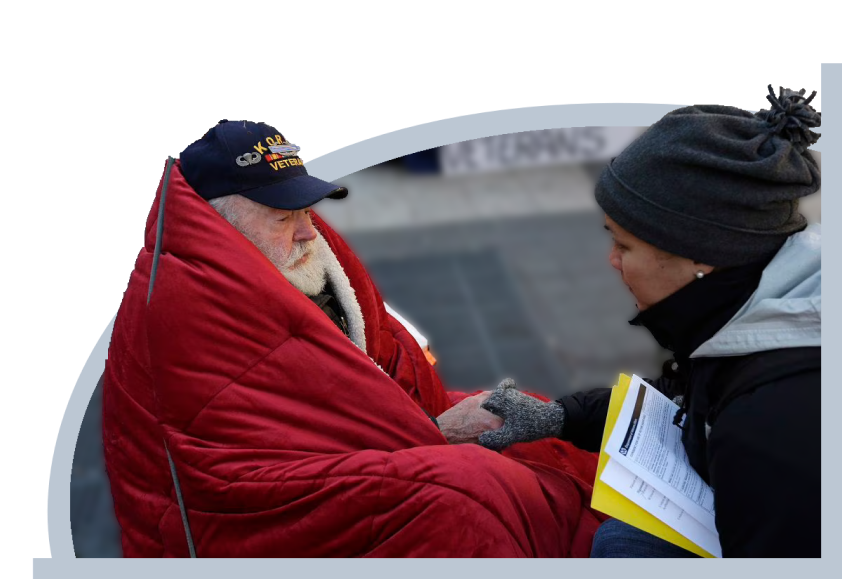
“The ability to network is crucial for veterans fighting mental illness. A veteran in crisis deserves your undivided attention. Help a struggling veteran if you can; doing so
These three sentences capture a stark reality: for many who have worn the uniform, the battle doesn’t end when they return home. It continues—in the quiet corridors of the mind, in the stigma that still shadows mental health, and in the everyday isolation that can feel like a prison. Yet, just as the military taught them the power of a well‑coordinated unit, we too can assemble a network that saves lives.
Network = Safety Net
When a veteran is struggling with PTSD, depression, anxiety, or any other invisible wound, the risk of isolation is high. Studies from the U.S. Department of Veterans Affairs show that 23% of veterans with a mental health diagnosis feel “no one understands my situation.” That perception is deadly; the same VA report notes that suicide rates among veterans are 1.5 times higher than among non‑veteran adults.
A robust network—family, friends, peers, mental‑health providers, employers, and community groups—acts like a survivorship in rough seas. Each connection is a rope you can throw to someone who’s drifting. Pull them in, and you may be the difference between a life saved and a life lost.
When a veteran explicitly mentions self-harm or you observe sharp, rapid changes in their behavior or mood, treat the situation as an emergency. Your response should be:
- Stay Calm – Your tone sets the emotional temperature.
- Show Up Physically – If you’re on a call, stay on the line; if you’re in person, sit beside them.
- Ask Directly – “Are you thinking about hurting yourself?” (Yes, it’s safe to ask.)
- Secure the Environment – Remove firearms or other means of self‑harm if possible.
- Call for Professional Help – 988 (Suicide and Crisis Lifeline) in the U.S., or your local emergency number.
Every second you give your undivided attention, you increase the odds of a positive outcome.
The statistics are sobering, but they aren’t destiny. Every veteran who finds a trusted ally—be it a friend who listens, a coworker who offers flexibility, or a community group that welcomes them—gains a foothold on the steep mountain of recovery.
If you’re reading this, you already possess the first element of the puzzle: awareness. Let that awareness move to action.
- Reach out to a veteran you know.
- Volunteer with a local veteran organization.
- Educate your workplace about mental‑health resources.
- Donate to programs that fund peer‑to‑peer counseling.
Remember: In the military, no soldier is left behind. In civilian life, let’s extend that creed to mental health. When a veteran is in crisis, they deserve not just a listening ear but your undivided attention. That attention could be the rope that pulls them back from the edge.
Together, we have the power to change the course.