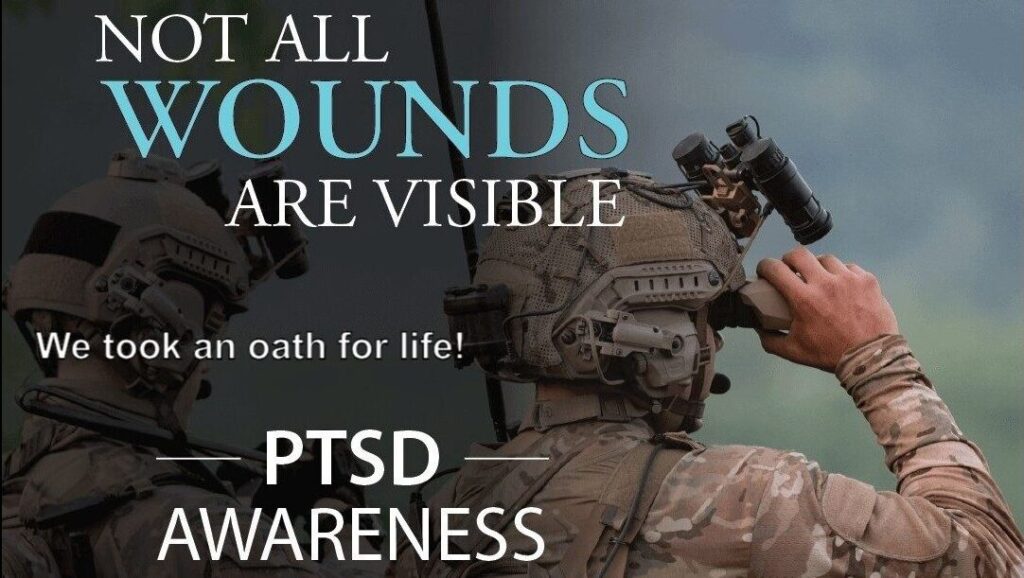
Post-Traumatic Stress Disorder (PTSD) is a debilitating condition that affects many veterans who have served in the armed forces. The experiences and traumas faced during combat can resonate long after soldiers return home, often leading to a series of emotional and psychological challenges. Veterans, their families, friends, and the community must understand this condition. However, please keep in mind that combat is not synonymous with PTSD.
The Impact of PTSD
Veterans with PTSD may encounter a range of symptoms, including flashbacks, severe anxiety, nightmares, and uncontrollable thoughts about the traumatic events they experienced. These symptoms can hinder their ability to adjust to civilian life, affecting relationships, work performance, and overall quality of life. The statistics surrounding PTSD in veterans are alarming; it is estimated that approximately 80% of veterans experience PTSD in their lifetime.
Barriers to Seeking Help
Despite the prevalence of PTSD among veterans, many are reluctant to seek help. This reluctance often stems from stigma, misunderstandings about mental health, and fears regarding the repercussions of speaking out. Many veterans worry about being perceived as weak or unfit for service. This stigma can be a significant barrier to recovery, preventing individuals from accessing vital support and treatment.
Support and Treatment Options
Fortunately, there is a range of effective treatments available for veterans suffering from PTSD. These include psychotherapy, medication, and support groups, which can help veterans process their experiences and develop coping strategies. Organizations dedicated to veteran care are crucial in providing the necessary resources and support networks. It is essential for veterans and their loved ones to encourage open conversations about mental health and to promote treatment options.
Creating Awareness
Increasing awareness about PTSD in veterans is a step toward fostering a more supportive and understanding environment. Communities can play a crucial role in this effort by organizing events, educational seminars, and providing resources about mental health. By engaging with veterans and listening to their experiences, society can help dismantle stigmas and encourage others to seek the help they need.
Conclusion
The journey of healing from PTSD is complex and often requires time, patience, and understanding. Veterans must be recognized not only for their service but also for their struggles with mental health. By promoting awareness and understanding, we can create a supportive environment that empowers veterans to seek help and reclaim their lives. Remember, no one should have to face this fight alone.