Ron Tebo has been entertaining thousands with comedy magic for over 35 years, and his performance is suitable for all ages. See Ron’s blog here to learn more.
For many veterans, the transition back to civilian life is a journey fraught with unseen battles. The echoes of combat, the weight of loss, and the challenges of reintegrating into everyday society can leave deep scars, often hidden behind stoic exteriors. Traditional therapies have long been invaluable, offering support and coping mechanisms. But what if there was a more unexpected, yet profoundly effective, tool in the therapeutic arsenal?
Enter the world of magic.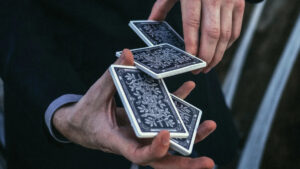

It might sound like a scene from a fantasy novel, but the practice of teaching veterans magic for therapeutic purposes is a growing and remarkably successful initiative. At first glance, the connection might seem tenuous. What could elaborate illusions and sleight of hand possibly offer to someone grappling with PTSD, anxiety, or depression? The answer lies in the surprising psychological benefits that magic offers, creating a unique and potent pathway to healing.
Beyond the Deck of Cards: The Therapeutic Power of Magic
Teaching magic to veterans isn’t about performing on a grand stage. It’s about unlocking a series of powerful therapeutic elements that resonate deeply with their experiences and healing needs.
- Rebuilding Confidence and Control: The military environment often encourages a deep belief in authority and mastery. When that environment is removed, veterans can feel a profound loss of confidence and agency. Learning a magic trick requires focus, practice, and precision. Successfully executing a trick, even a simple one, provides an immediate and tangible sense of accomplishment. This small victory can be a powerful catalyst for rebuilding self-esteem. They are no longer the passive recipient of trauma but an active creator of something surprising and delightful.
- Developing Focus and Mindfulness: The chaos and intensity of combat can leave the mind racing, making it difficult to focus on the present moment. Magic demands intense concentration. Every gesture, every misdirection, every reveal requires unwavering attention. This deliberate focus acts as a form of mindfulness, pulling veterans out of intrusive thoughts and anchoring them in the here and now. The meticulous practice of sleight of hand can be a powerful antidote to the mental clutter of anxiety.
- Improving Fine Motor Skills and Coordination: For some veterans, physical injuries can impact their fine motor skills. The precise movements required in many magic tricks can be an excellent way to retrain and strengthen these abilities. The delicate manipulation of cards, coins, or other props offers a practical and engaging form of physical therapy.
- Fostering Social Connection and Communication: Many veterans struggle with social reintegration, finding it difficult to connect with civilians who haven’t shared their experiences. Magic provides a shared language and a common interest. Performing a trick for others or learning from fellow veterans creates opportunities for positive social interaction, laughter, and camaraderie. It can break down barriers and foster a sense of belonging that might have been lost.
- Cultivating Creativity and Problem-Solving: At its core, magic is about creativity and finding novel solutions. Veterans acquire the ability to think creatively, anticipate reactions, and ingeniously create illusions. This encourages a more flexible and adaptable mindset, which can be invaluable when navigating the complexities of civilian life and when confronting challenges in their personal healing journey.
- A Safe Space for Vulnerability: The structured nature of learning magic can create a safe and supportive environment for vulnerable veterans. The “mistakes” made during practice are not failures but opportunities for learning and growth. The shared vulnerability of learning something new and the inherent playfulness of magic can help to chip away at the walls that often surround those who have experienced trauma.
The Art of Illusion, the Reality of Healing
Organizations and initiatives are increasingly recognizing the therapeutic potential of magic. Whether through dedicated workshops, partnerships with mental health professionals, or volunteer-led programs, the impact is undeniable. Veterans are discovering a sense of wonder, a renewed sense of self, and a surprising toolkit for navigating their post-service lives.
The battlefield may have ended, but the journey of healing continues. And in this evolving landscape of veteran care, the seemingly whimsical art of magic is proving to be a powerful, unexpected, and profoundly effective ally. It’s a reminder that sometimes, the most profound transformations can begin with a little bit of wonder and a whole lot of practice.