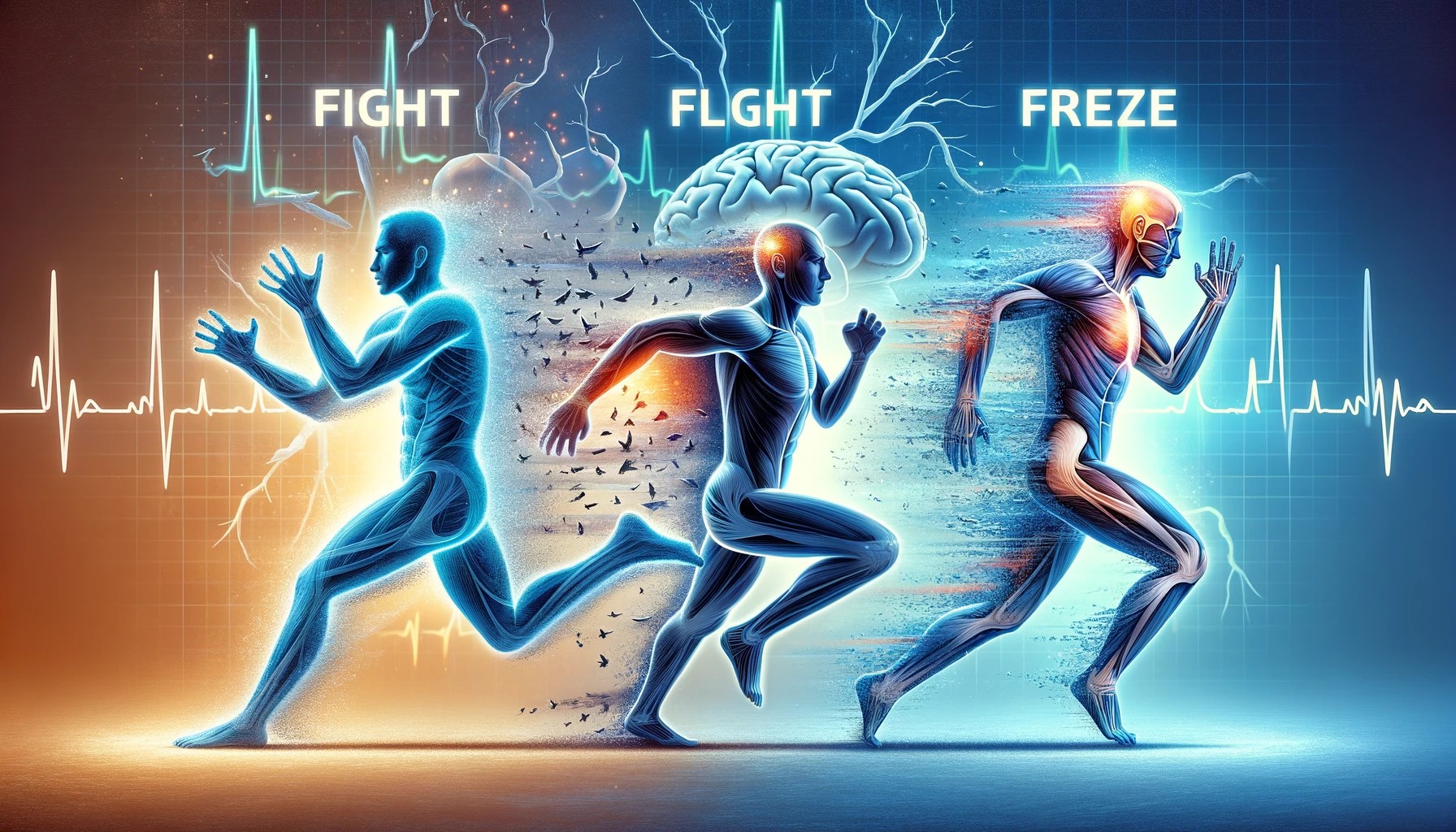
We often define war by its geographic boundaries: the trenches, the deserts, the urban ruins. But for those who have served, the most grueling theater of conflict isn’t found on a map. It is found in the quiet moments after the uniform comes off—in the restless nights, the hyper-vigilance, and the lingering echoes of combat.
War is not exclusively conducted on the battlefield. For many veterans, the fight continues long after the deployment ends, manifesting as the complex and debilitating symptoms of Post-Traumatic Stress Disorder (PTSD).
Traditional therapeutic approaches—talk therapy and pharmaceuticals—are vital components of recovery. However, there is an increasingly compelling body of evidence suggesting that the most effective “inhibitor” of PTSD may not be a pill or a clinical session but a pair of running shoes or a heavy barbell.
The Biology of the Fight-or-Flight Hangover
To understand why exercise works, we have to understand what happens to a veteran’s nervous system during trauma. In combat, the brain learns to prioritize survival above all else. The amygdala—the brain’s alarm system—stays stuck in the “on” position, constantly scanning for threats.
When a veteran returns home, that system doesn’t always power down. The body remains flooded with cortisol and adrenaline, keeping the veteran in a perpetual state of fight-or-flight.
This is where physical exercise acts as a biological circuit breaker.
Exercise as a Neurological Reset
When a veteran engages in vigorous physical activity, they aren’t just “burning off steam.” They are actively re-regulating their physiology:
- Neurogenesis and BDNF: Exercise triggers the release of Brain-Derived Neurotrophic Factor (BDNF), a protein that acts as “miracle-gro” for the brain. It helps repair the neural pathways that trauma has damaged and promotes the growth of new neurons in the hippocampus, the area of the brain responsible for memory and emotional regulation.
- The Endorphin-Endocannabinoid Synergy: Intense movement promotes the release of endorphins and endocannabinoids—the body’s natural painkillers and mood stabilizers. These chemicals help dampen the overactive stress response, providing a natural buffer against the anxiety that drives PTSD.
- Regaining Agency: Many veterans suffering from PTSD feel a profound loss of control—their own bodies and minds feel like hostile territory. Physical training offers a tangible goal. Whether it is adding five pounds to a deadlift or shaving ten seconds off a mile, exercise provides a sense of agency. It proves that the body is a vehicle for growth, not just a container for trauma.
The “Third Place” Community
Beyond the biochemistry, there is the social dimension. One of the greatest contributors to PTSD is the isolation that follows a loss of unit cohesion. Exercise—whether in a CrossFit box, a running club, or a veteran-led weightlifting group—recreates the sense of a “platoon.” It provides a space where veterans can exist among peers without the need to explain their experiences. It is a shared struggle toward a common goal, mirroring the camaraderie of service in a healthy, constructive way.
Moving Forward
We must stop viewing physical health as separate from mental health. For veterans, movement is a form of medicine. It is a tactical intervention that helps discharge the stagnant energy of trauma and replaces it with the endorphins of achievement.
If we want to support our veterans, we must provide more than just clinical pathways; we must provide the resources for physical empowerment. Gym memberships, running programs, and outdoor adventure groups are not “lifestyle perks”—they are essential tools for a veteran’s internal peace.
The battlefield does not end when the plane lands. But through the discipline of movement, the war can be won. By reclaiming the body, the mind eventually follows suit.
If you are a veteran struggling with PTSD, please know that you are not alone. Exercise is an effective tool, but it works best when combined with expert assistance. Reach out to the Veterans Crisis Line (Dial 988, then press 1 in the US) or connect with local veteran support organizations to find the help you deserve.