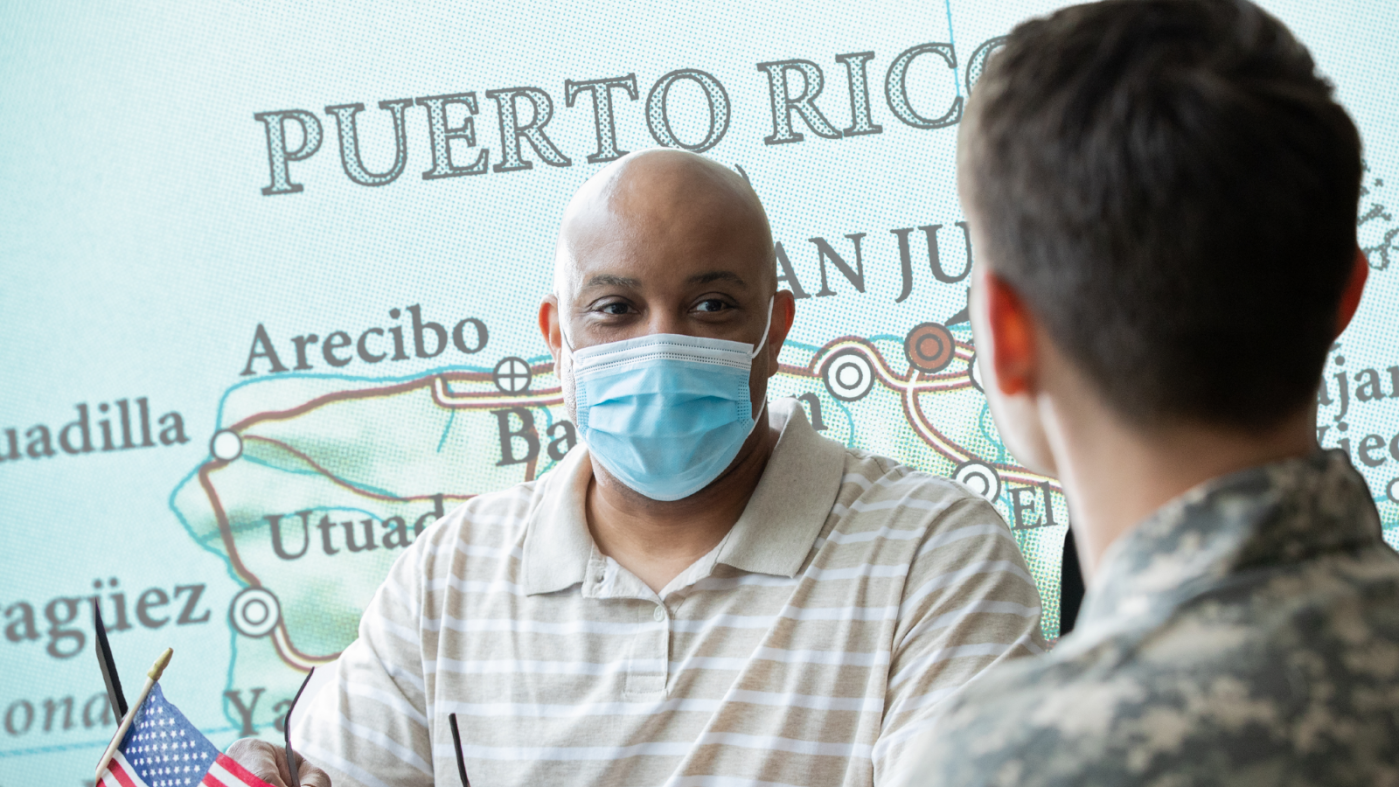
Change is necessary because my disgust grows as I learn more.
We, as a nation, often speak of the profound debt we owe our veterans—those brave men and women who have answered the call to serve, placing country before self. Their sacrifices, their courage, and their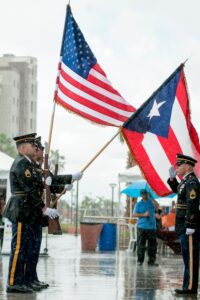 unwavering commitment form the bedrock of our freedom. Yet, for far too many of our veterans in Puerto Rico, the promise of unwavering support feels like a distant echo, replaced by a harsh reality of neglect and systemic challenges.
We see them; we know their stories. They are our fellow Americans, having served in every major conflict, from Vietnam to Iraq and Afghanistan. Their uniforms may have been different, and their missions varied, but their dedication to the United States was absolute. And for that, every single one of them deserves our full and unconditional backing.
However, the truth on the ground in Puerto Rico paints a somber picture. Our veterans there face a unique constellation of difficulties that can leave them feeling profoundly isolated and underserved compared to their counterparts on the mainland U.S.
One of the most pressing concerns is limited access to adequate healthcare services. Imagine serving your country, perhaps returning with visible or invisible wounds, only to struggle with navigating a fragmented system. Geographic isolation, a scarcity of specialized medical professionals equipped to handle combat-related injuries or PTSD, and bureaucratic hurdles often mean delayed or insufficient care. For conditions that demand immediate and expert attention, these delays can be devastating, exacerbating physical ailments and deepening mental health crises. We hear of veterans traveling long distances for basic appointments, finding language barriers complicating communication, and feeling that the quality of care simply isn’t what they deserve.
Beyond healthcare, our veterans in Puerto Rico grapple with significant economic difficulties. The island’s economic landscape, already challenging, offers limited opportunities for veterans seeking to transition their invaluable military skills into civilian careers. High unemployment rates, lower wages, and a higher cost of living can plunge these heroes into financial instability. We see them struggling to find meaningful work, to provide for their families, and to achieve the economic self-sufficiency they earned through their service. This perpetual struggle can erode their sense of dignity and purpose, making it incredibly difficult to rebuild their lives post-service.
 Furthermore, many of our Puerto Rico veterans encounter a lack of adequate support systems. While veteran organizations exist, they are often fewer in number and less robustly funded than those on the mainland. This means fewer resources for job placement, housing assistance, mental health support groups, or even just a strong, understanding community network. The bureaucratic processes for accessing benefits can be magnified by these gaps in support, leaving veterans feeling lost in a maze of paperwork and unanswered questions. This absence of a strong safety net fosters a pervasive sense of being forgotten.
The disparity is stark, and it’s understandable why our veterans in Puerto Rico feel neglected. They witness the resources, the awareness, and the comprehensive systems available to veterans on the mainland, and they realize that their own sacrifices, identical in scope and bravery, are met with unequal support. This isn’t just an administrative oversight; it’s a moral failure.
We believe, with every fiber of our being, that every deserving veteran deserves the backing of our people and our government. The phrase “no veteran left behind” cannot be a mere slogan; it must be a lived reality for every single one of our heroes, regardless of where they choose to call home within our nation.
It is our collective responsibility to ensure that the promise of care, opportunity, and support is extended equally to our veterans in Puerto Rico. We must advocate for increased federal investment in healthcare infrastructure on the island, specifically tailored to the unique needs of veterans. We must push for economic initiatives that create meaningful employment opportunities, leveraging their skills and discipline. And we must work tirelessly to strengthen and expand the support networks that provide vital services and community connections.
Let us commit, unequivocally, that we will not allow our veterans in Puerto Rico to be an afterthought. Their service was wholehearted, and our support must be too. We owe them nothing less than our unwavering commitment to ensure that “no veteran left behind” truly applies to all.
My grandfather served in WW1. My uncles served in WW2. My cousins served in the Korean war. I served in the Vietnam war. Our uniforms were the same as the uniforms of the soldiers from the states. I am proud that was able to contribute to that effort.
God bless you and your family. We are all the same, brothers and sisters.