The scars of war are not always visible. While the physical wounds of service may eventually heal, invisible wounds such as Post-Traumatic Stress Disorder (PTSD) can persist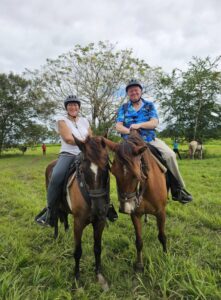 and negatively impact a veteran’s life. For many, finding effective coping mechanisms is a lifelong journey. For Ron Tebo, a proud veteran of the United States Army, the solution is not found in a pill or a therapist’s couch alone, but rather in the gentle whisper of ocean breezes and the vibrant hues of a new horizon.
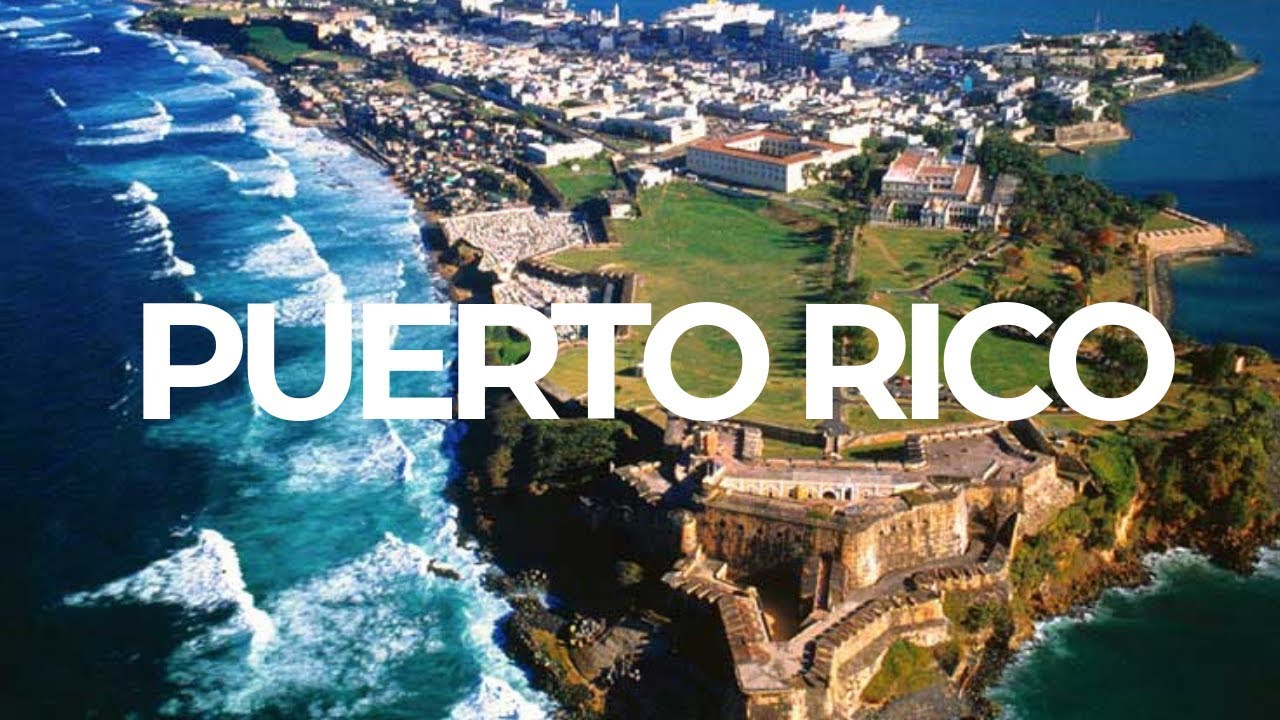
“A change of scenery helps battle my post-traumatic stress disorder,” Ron shares, a sentiment that resonates deeply with countless individuals facing similar challenges. And for Ron, currently, his go-to sanctuary is the sun-drenched, culturally rich island of Puerto Rico.
The Power of a New Horizon
Why is a change of scenery so potent in the fight against PTSD? For those living with the disorder, familiar environments can often become laden with triggers—sounds, smells, or even routines that inadvertently evoke traumatic memories or heighten anxiety. Breaking this cycle offers a much-needed mental reset.
A new environment provides:
- Novelty and Distraction: Engaging with new sights, sounds, and experiences can shift focus away from intrusive thoughts and hypervigilance.
- Reduced Triggers: Stepping away from the places associated with daily stressors or past traumas can significantly lower anxiety levels.
- A Sense of Control and Agency: Planning and embarking on a trip can be an empowering act, giving individuals a sense of purpose and control often diminished by PTSD.
- Physical Activity and Nature’s Therapy: Spending time outdoors, whether hiking, swimming, or simply soaking in the sun, is scientifically proven to reduce stress and improve mood.
Why Puerto Rico? Ron Tebo’s Personal Oasis
It’s one thing to say a change of scenery helps, but why Puerto Rico specifically for Ron? The “Island of Enchantment” offers a unique combination of elements that intuitively contribute to healing:
- Tropical Tranquility: The warm, consistent climate, the lulling rhythm of the waves crashing against pristine beaches, and the lush, green landscapes (like the emerald rainforest of El Yunque) provide a deeply calming sensory experience. This natural beauty offers a stark contrast to the often sterile environments or triggering routines a veteran might encounter.
- Vibrant Culture and Warmth: Puerto Rico’s rich culture, expressed through its music, food, and people, is incredibly inviting. The warmth and hospitality of Puerto Ricans can foster a sense of belonging and community, countering feelings of isolation that PTSD can bring. Engaging with a different way of life, even in simple interactions, can be profoundly therapeutic.
- A Different Pace of Life: The “island time” mentality can be a powerful antidote to the hyper-vigilance and constant rush often experienced by those with PTSD. It encourages slowing down, being present, and appreciating the moment.
- Accessibility and Familiarity (for US Veterans): As a US territory, Puerto Rico offers the ease of travel without needing a passport for US citizens, and the currency is the US dollar. This logistical simplicity can reduce potential stressors associated with international travel, making it a more accessible and less intimidating escape.
Ron Tebo’s choice of Puerto Rico highlights a profound truth: healing is a deeply personal journey, and occasionally, the most effective medicine isn’t found in a bottle but in the embrace of a new place. His experience serves as a powerful reminder of the diverse ways individuals find strength and peace in the ongoing battle against invisible wounds.
For any veteran, or anyone struggling with mental health challenges, Ron’s story is an invitation to explore what “change of scenery” might look like for them—whether it’s a short drive to a local park, a weekend getaway, or an island escape like Puerto Rico. The path to healing often begins with taking that first step towards a new horizon.