Pickleball Positivity: How a Paddle can Help Veterans Manage PTSD (But It’s Not a Magic Cure)
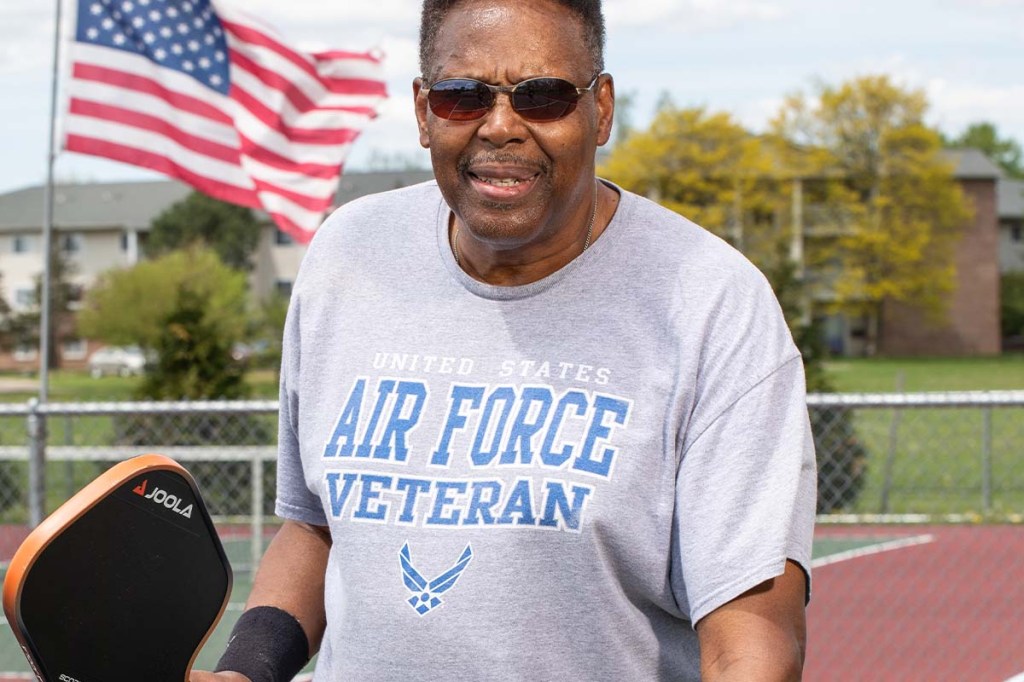
Veterans who play pickleball anticipate feeling good after games with other veterans and other players of this thrilling sport. Ninety percent of participants agreed that pickleball improves their mood, and 98 percent said it has a positive effect on their life, according to the study.
“Every serve, every rally, every laugh on the court is a reminder that I’m still here, still moving, still connecting.” – a veteran’s note from a community pickleball league.
When you think of PTSD treatment, the first images that usually come to mind are therapy rooms, medication bottles, and long‑term counseling plans. Yet, for many veterans, a simpler, more immediate source of relief is waiting at the local recreation center: a paddle, a perforated ball, and a court.
Pickleball is exploding across the United States—its low barrier to entry, social vibe, and cardiovascular benefits make it a hit with people of all ages. For veterans, those same qualities can translate into tangible, day‑to‑day tools for managing the symptoms of post‑traumatic stress disorder (PTSD). But let’s be clear: pickleball is helpful, not a cure. It works best as a complementary piece of a broader, personalized recovery strategy.
The Science: Movement, Mood, and the Brain
Exercise + Neurochemistry
Physical activity triggers the release of several neurochemicals that directly counteract PTSD symptoms:
- Endorphins are natural painkillers that elevate mood.
- Serotonin & Dopamine – improve motivation and reduce intrusive thoughts.
- Brain-Derived Neurotrophic Factor (BDNF) – supports neuroplasticity, helping the brain “rewire” trauma pathways.
Social Interaction & Oxytocin
When you high-five a teammate after a good shot or share a laugh over a missed serve, your brain releases oxytocin, the “bonding hormone.” Oxytocin mitigates the fight‑or‑flight response and lowers cortisol levels, which are often chronically elevated in PTSD.
Mindfulness in Motion
Pickleball forces you to focus on the present: Where is the ball? When is the perfect moment to pivot? This naturally steers the mind away from flashbacks or doom‑scrolling. While it’s not formal mindfulness meditation, the effect is similar—a brief, embodied meditative state that can be repeated many times per hour.
“The First Serve” – Sgt. Alex (Ret.)
After returning home, Alex’s sleep was shattered, and he felt he was “always on edge.” He tried a local veterans’ pickleball group. Within six weeks, he reported fewer nightmares and a willingness to leave the house for other activities. “I still have flashbacks,” he says, “but I can step onto the court, focus on the ball, and the storm inside quiets down for a while.”