Stop Masquerading
Every time a veteran reaches out and someone turns them away, we lose a piece of our integrity as a nation. We are all accountable for this quiet, private failure that occurs behind closed doors. If you claim to support those who served, ask yourself: If they knocked on my door tomorrow, would I be ready to answer, or would I be looking for a reason to close it?
Although the majority of individuals express their support for veterans, there are a small number of individuals who feign friendliness toward them but then ignore them when a veteran attempts to contact them. We depend on public support, as many disabled veterans are constrained to a fixed government income and are unable to work due to various health conditions. Whether it’s providing a meal, a ride across town for a VA appointment, or a room for the night, some are here to help. On the other hand, some people act dishonestly and turn away veterans when they are seeking help.
We see the stickers on the bumpers. We hear the speeches at the Memorial Day parades. We watch the television commercials with the soaring eagle soundtracks. In our culture, “supporting our veterans” is a national creed—a non-negotiable pillar of patriotism.
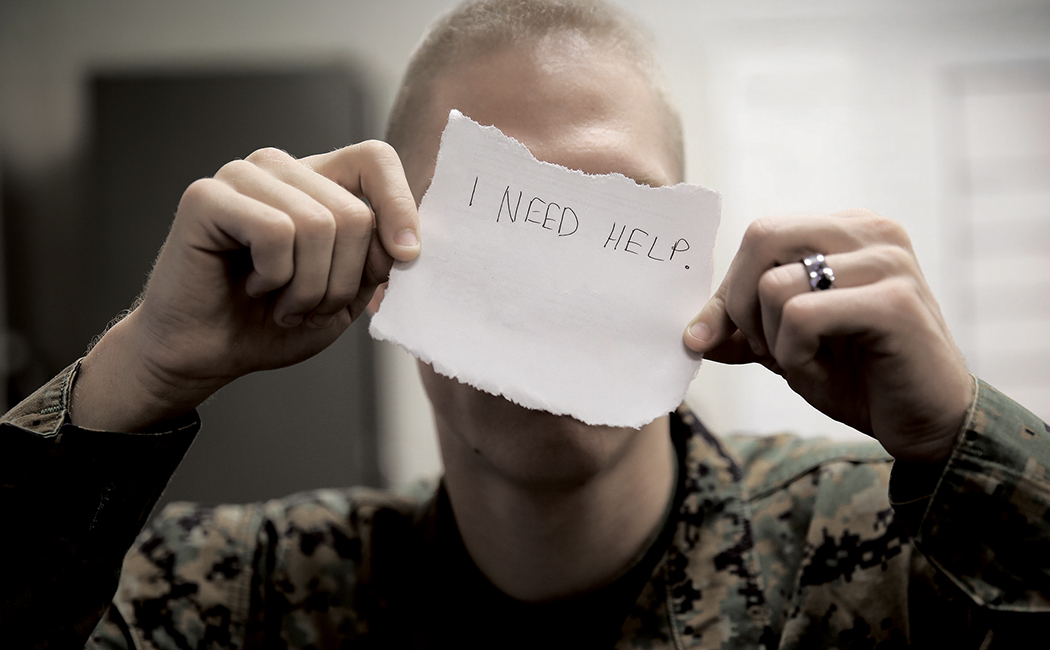
But there is a painful, jarring reality that many veterans face when they finally build up the courage to reach out for help: The door isn’t always open.
For many service members, the act of asking for support—whether it’s for mental health, job placement, or navigating the labyrinth of the VA—is an act of profound vulnerability. They’ve been trained to be self-reliant, to endure hardship, and to be the ones providing help, not asking for it. When they finally swallow their pride and make the call, a crushing silence or a polite, bureaucratic dismissal often greets them.
It is a betrayal that is more painful than any battlefield wound. It is the moment when “Support Our Troops” shifts from a heartfelt promise to an empty marketing slogan.
The Myth of the “Easy” Support System
The tragedy lies in the disparity between the public image of veteran support and the actual experience of the veteran.
When a veteran tries to connect with organizations—be they government-run, nonprofits, or local community groups—they often encounter the following:
- The “Tick-Box” Mentality: Organizations that are more concerned with their outreach metrics and social media presence than with the messy, complex reality of a struggling human being.
- The Jurisdictional Shuffle: Being told, “You don’t fit our specific criteria,” or “That’s not our department,” effectively shifts responsibility until the veteran gives up in exhaustion.
- Performative Patriotism: Supporters who love the idea of a veteran—the stoic hero in a uniform—but are uncomfortable with the reality of a veteran: the trauma, the depression, the unemployment, or the substance abuse. They want the hero on the pedestal, not the human in the office chair.
Why Do Supporters Turn Away?
It’s uncomfortable to admit, but occasionally the people who claim to support veterans turn them away because they don’t know how to handle the “unpolished” side of service.
Supporting veterans is easy when it involves a parade. It is difficult when it involves sitting with someone who is grieving, listening to stories of moral injury, or helping someone navigate a life they no longer recognize. True support requires time, patience, and a willingness to become messy. It requires listening, not just talking.
When an organization turns a veteran away, they aren’t just denying a service; they are confirming the veteran’s worst fear: that they are alone, that they cannot relate to the civilian world, and that their service ended the moment they stepped off the plane.
The support they need isn’t found in a slogan. It’s found in the willingness to show up, listen, and refuse to let them face the aftermath of their service alone. It’s time we stop the performative patriotism and start doing the important necessary work of actually being there.