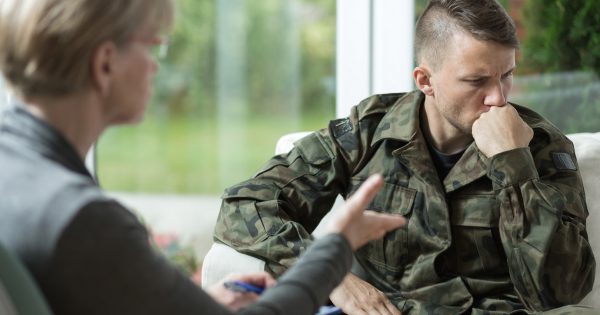
WHAT IS PTSD?
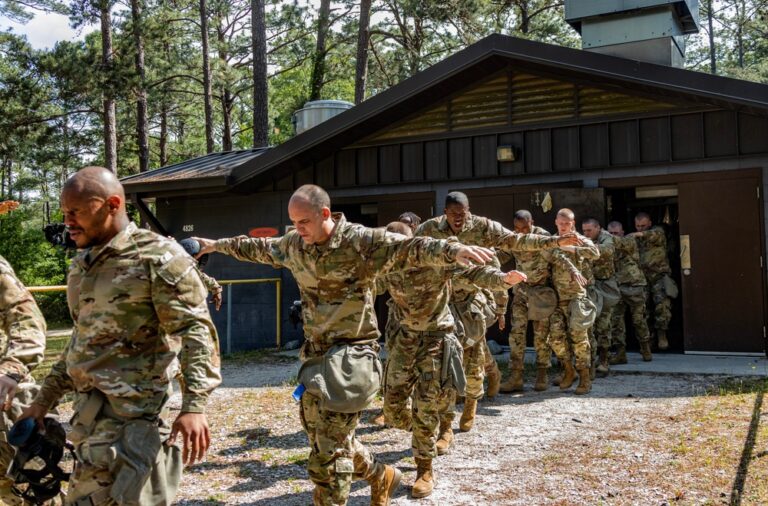
When service members return home, we celebrate their courage, sacrifice, and strength. But sometimes, the wounds they carry are invisible—trauma that stays long after the uniform has been packed away.
READ MOREPost-Traumatic Stress Disorder and Combat
While it’s often associated with military service and war, the reality is that PTSD isn’t solely about combat. This belief causes many to suffer in silence, thinking their trauma doesn’t “count.”
READ MOREWHAT IS “STEPPING OUT”?
“Step Out Veterans” is a call to action—an invitation for us all to venture beyond the confines of our internal struggles. Come in, explore, and you are welcome to share your voice.
READ MOREWho is Ron Tebo?
A Disabled Army Veteran
Army Veteran Ron Tebo: Why Recovery Matters More Than The ‘How’ of Disability. His message, simple yet deeply resonant, cuts through the noise: the specifics of his disability are not important. What matters is recovery, and he is fiercely committed to helping other veterans find theirs by “stepping” out to battle mental illness.
More about RonTake a minute and contact me. ron@stepoutveterans.com
There’s a unique bond that forms among those who have worn the uniform. It’s a silent understanding, a shared experience that transcends time and distance. We’ve stood together, faced challenges together, and supported one another through thick and thin.
PTSD is NOT Synonymous With Combat
Non-combat traumas include car accidents, natural disasters, sexual or physical abuse, and mass shootings.
COMBAT PTSD
Combat-related trauma: Experiencing, witnessing, or being near actual or threatened death, serious injury, or sexual violence in a combat situation can lead to PTSD
NON-COMBAT PTSD
Ihe same types of severe events can happen outside of a military context. Examples include: Serious car accidents. Natural disasters like hurricanes or earthquakes. Physical, sexual, or emotional abuse.
Mass shootings or other large-scale violence
Exercise is a GREAT tool to battle PTSD
I will present several articles here concerning my routine and how I manage my PTSD.
Finding a Safe Harbor: How Pickleball Island Is a Haven for Veterans
At first glance, pickleball might seem like a simple, slightly quirky sport. But look closer, and you’ll see why it’s a powerful antidote to the symptoms of PTSD, anxiety, and depression.
The weight of the past is a heavy thing to carry. For many veterans, it’s a constant companion—a low hum of anxiety, a series of tripwires for PTSD, a shadow of depression that can darken the brightest days. It’s a battle that continues long after they’ve returned home. We’re always looking for tools, for strategies, for moments of respite. And sometimes, the most effective tool comes in an unexpected form: a paddle, a plastic wiffle ball, and a court in Grand Island, New York.
Sunshine and Serenity: How a Change of Scenery Can Assist to Heal the Scars of Service
Post-Traumatic Stress Disorder (PTSD) can significantly impact daily life, making it feel like a challenging journey.
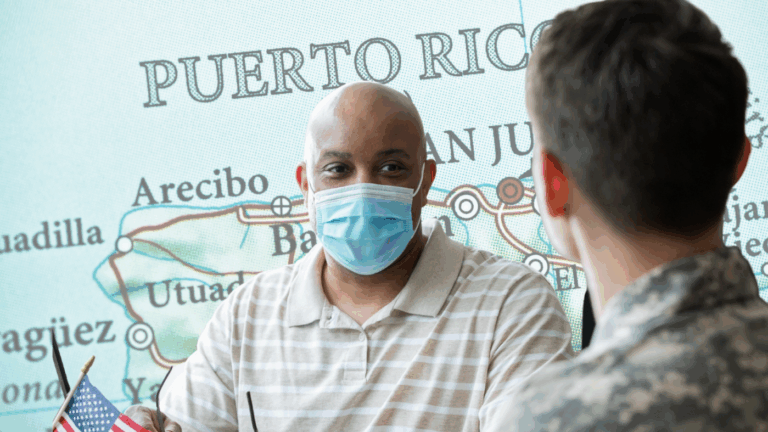
Horseback Riding in Puerto Rico
Equine therapy, which includes horseback riding, can help individuals with PTSD by providing emotional support and facilitating trust-building through interactions with horses. This form of therapy has shown promise in reducing PTSD symptoms and improving emotional regulation for veterans and others affected by trauma.
Family Time in the Dominican
Spending time outdoors in a warm climate can significantly help veterans with PTSD by providing therapeutic benefits through activities like hiking, kayaking, and fishing. Nature-based therapy promotes healing, reduces symptoms, and fosters social connections among veterans.
Outdoors With Myself
Outdoor therapy has been gaining traction as a beneficial form of therapy for veterans. This type of therapy can help veterans to reconnect with nature and find peace in the outdoors. It is often used to treat PTSD, depression, anxiety, and other mental health issues that are common among veterans.
Providing Shelter, Restoring Hope: How You Can Help a Struggling Veteran with Lodging
They answered the call, put their lives on hold, and stood guard for our freedoms.
Helping our veterans secure stable lodging requires a multi-faceted approach. Here are several ways you can contribute:
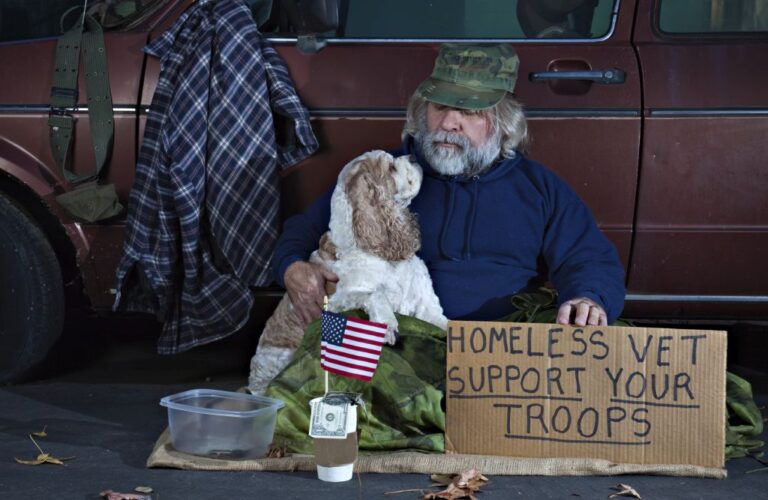
Our veterans have made immense sacrifices, often returning home with unseen wounds, physical challenges, and the daunting task of reintegrating into civilian life. Yet, for too many of these heroes, the struggle doesn’t end when their service does. One of the most heartbreaking realities is veteran homelessness and the constant battle to find stable lodging.
If you have a room to rent or an apartment that is not in use, please contact ron@stepoutveterans.com