The transition from military service to civilian life can be a challenging journey, fraught with invisible battles. For many veterans grappling with Post-Traumatic Stress Disorder
Pickleball for Veterans
(PTSD), the weight of past experiences can make simple connections and everyday enjoyment feel impossible.
But amid the search for effective coping mechanisms, an unlikely hero has emerged: pickleball.
This fast-paced, highly social paddle sport—often described as a mix of tennis, badminton, and ping-pong—is doing more than just providing a good workout; it’s offering a powerful, refreshing escape and a new path to healing for those who need it most.
The Unbearable Weight of Intrusive Thoughts
Veterans with PTSD often struggle with hypervigilance, anxiety, and the constant intrusion of difficult memories. Traditional therapy is essential, but finding moments of genuine distraction and joy can be crucial for managing daily symptoms.
This is where pickleball steps in, offering a novel combination of physical activity and intense focus that serves as a mental reset button.
The Power of Present Focus
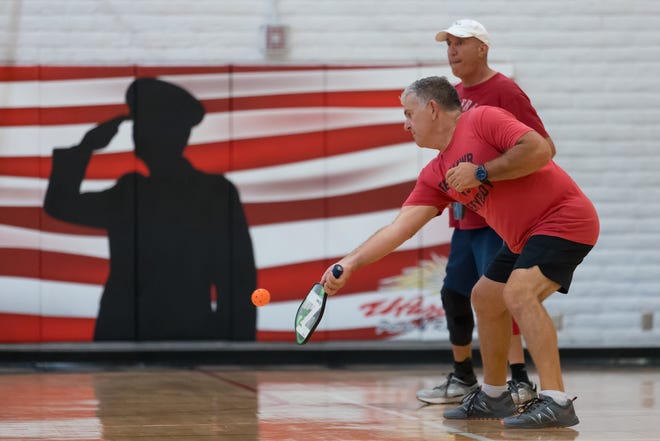
Pickleball requires players to be fully present. You have no time to think about anything but the ball, your partner, and your next move because the court is small and the action is fast.
For a veteran used to their mind racing uncontrollably, this forced focus is a profound relief.
“On the court, the only thing that matters is keeping that wiffle ball in play,” says Mark, a retired Army sergeant now dedicated to the sport. “For those 45 minutes, I’m not thinking about the past, I’m not worried about tomorrow. I’m just focused on the dink shot. It’s like hitting a pause button on my trauma.”
This intense concentration blocks intrusive thoughts, offering veterans a much-needed, temporary vacation from their symptoms.
Connection and Camaraderie: Rebuilding the Tribe
One of the most damaging effects of PTSD is isolation. Veterans often withdraw, feeling misunderstood or unable to relate to civilian life. But the military experience is defined by camaraderie and teamwork—a sense of belonging that is hard to replicate.
Pickleball naturally fills this void.
- Low Barrier to Entry: It’s simple to learn, meaning veterans can jump in quickly without feeling intimidated.
- Social Structure: Doubles play fosters instant collaboration and communication, mirroring the teamwork integral to military service.
- Inclusive Environment: Pickleball courts are often filled with people of all ages and skill levels, promoting a welcoming and non-judgmental atmosphere.
The laughs shared over a botched volley, the high-fives after a winning point, and the simple act of showing up for a scheduled game rebuild social connections that PTSD often fractures. It helps veterans rediscover the joy of shared purpose and lighthearted interaction.
Structured Activity Without the Stress
Many veterans thrive on structure and routine, elements that the military provided consistently. While high-impact sports can occasionally cause anxiety or hypervigilance, pickleball offers a comfortable balance:
- Moderate Physicality: It provides excellent exercise without the full-body strain of running or intense weightlifting, making it accessible even for those with service-related physical injuries.
- Predictable Rules: The clear rules and boundaries of the game create psychological safety, allowing veterans to relax into the activity rather than worry about the unknown.
Serving Up a Brighter Future
Organizations across the country are recognizing the therapeutic value of pickleball and are actively creating programs tailored for veterans. These dedicated sessions provide a safe, structured environment where veterans can not only develop their skills but, more importantly, develop trust, build community, and rediscover joy.
Pickleball is more than just a passing athletic trend; it’s proving to be a powerful tool in the mental health arsenal for veterans battling PTSD. It’s a game where the score might matter, but the real victory is found in the moments of laughter, the focused concentration, and the refreshing escape it provides, one dink shot at a time.
If you are a veteran struggling with PTSD, consider looking for local pickleball groups or veteran-specific athletic programs in your area. You might just find your new favorite escape.