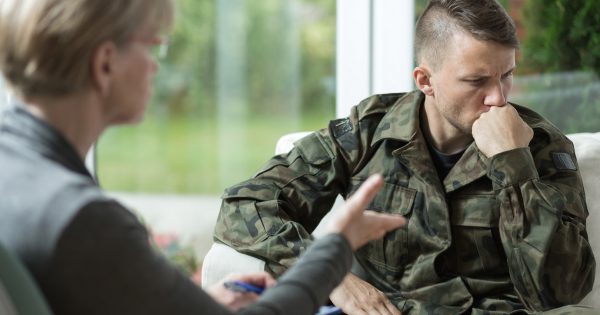
As someone deeply committed to the well-being of our veterans, I’ve witnessed firsthand the profound strength and resilience that define them. Yet, I’ve also seen the immense hurdles they face once their uniforms are put away and the heartbreaking reasons why some in our society hesitate, or even refuse, to lend the helping hand they so desperately need.
We are deeply committed to exploring this topic further, as it holds significant weight in my heart. At Stepoutveterans.com, we will focus on this topic because understanding these challenges is the first step to overcoming them.
The Labyrinth of Advocacy: Why Helping a Fellow Veteran is So Hard
When I try to advocate for a veteran, it often feels like navigating a complex, ever-shifting labyrinth. It’s not simply a matter of wanting to help; the system itself can be incredibly daunting.
First, there’s the bureaucracy. The sheer volume of paperwork, the intricate rules, and the often-lengthy waiting periods for benefits, healthcare, or housing can be overwhelming for anyone, let alone someone grappling with physical or emotional trauma. I’ve witnessed veterans becoming disoriented and their needs going unfulfilled due to their inability to navigate the bureaucratic process.
Then there’s the intangible cost of serving our country. Many of our veterans carry wounds that aren’t visible—PTSD, traumatic brain injury (TBI), moral injury. These conditions can make it incredibly difficult for them to articulate their needs, trust others, or even accept help. Their pride, a hallmark of their military service, often hinders them. “I can handle it” or “Others have it worse” are phrases I hear far too often, stemming from a deep-seated belief that asking for help is a sign of weakness. Although asking for help is not a sign of weakness, convincing them of this belief is a significant challenge.
Finally, there’s a woeful lack of understanding from the civilian world. Unless you’ve served, it’s hard to truly grasp the unique culture, experiences, and sacrifices of military life. This gap in understanding can lead to miscommunication, judgment, or simply an inability to connect veterans with the right kind of support tailored to their specific, complex needs.
The Unthinkable: Why Some Refuse to Help
Encountering those who simply refuse to help may be even more painful than facing the systemic barriers. When I look for reasons behind this apathy or outright refusal, I often come back to a few core issues:
Misconceptions and Stereotypes: The media often portrays veterans through a narrow lens—either as stoic heroes or “broken” and dangerous individuals. These extreme stereotypes lead to fear, avoidance, or a dismissive attitude that veterans are “looking for a handout.” In reality, most veterans simply seek a fair opportunity, a stable life, and an opportunity to make a meaningful contribution.
Ignorance and Apathy: For some, it’s a simple case of “out of sight, out of mind.” They don’t see the struggles, so they don’t believe they exist or aren’t their responsibility. The sacrifices made by our military often feel distant to those who haven’t experienced them, leading to a general disinterest in their welfare.
Feeling Overwhelmed: Sometimes, people want to help, but they don’t know how. The problems seem too big, too complex, and they fear saying or doing the wrong thing. This paralyzing uncertainty can lead to inaction, which, while not malicious, still leaves veterans without the support they deserve.
“Not My Problem” Mentality: In a world filled with countless challenges, some simply choose to focus on issues they feel are more directly relevant to their lives. Unfortunately, this calculus often overlooks the issues facing veterans.
The Unseen Sacrifices: More Than Just Combat
Beyond the bullets and the deployments, our veterans made profound personal sacrifices that ripple through their lives, often unseen by those who never served. I think of the missed birthdays, the absent seats at family reunions, and the holidays spent alone or far from loved ones.
These weren’t just inconvenient scheduling conflicts; they were moments of connection, growth, and joy that can never be reclaimed. Every deployment meant another year of a child growing up without a parent, another anniversary celebrated via a hurried, often unreliable, phone call, and another Christmas morning without the familiar faces of family. These are the quiet, emotional tolls of service, often neglected in the public discourse, but they leave a permanent mark on the hearts of our veterans and their families.
It is precisely because of these sacrifices—both visible and invisible—that I feel an immense responsibility to advocate for them. We asked them to step up and risk their lives. Now, it’s our turn to step up for them.
At Stepoutveterans.com, we believe that understanding these intricate layers of challenge and sacrifice is essential. We are committed to fostering empathy, dismantling misconceptions, and empowering individuals to become effective advocates. Join me as we delve deeper into these crucial conversations and work together to ensure our veterans receive the unwavering support they have so profoundly earned.