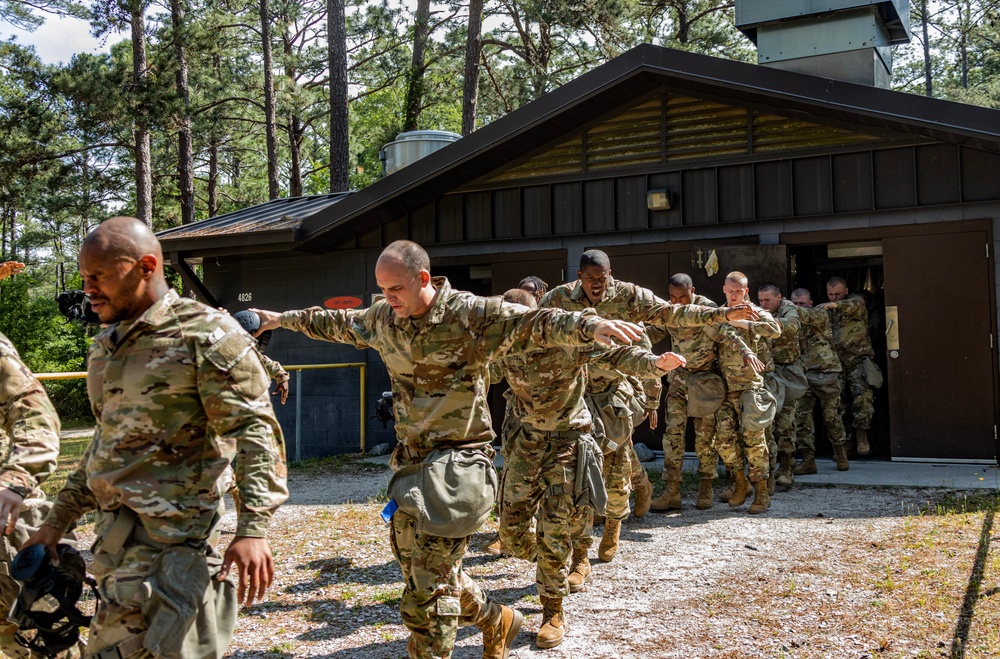
This article has generated considerable discourse, and I believe that anyone who has served their country with honor qualifies as a veteran in my view. Some ardent veterans, however, will contest this, and ignorance is not acceptable. I believe that if you served with honor, you are a veteran, regardless of how long you served—one day or thirty years. You have my respect!
The word “veteran” carries immense weight. It evokes images of sacrifice, courage, and unwavering commitment to country. Most of us instinctively know what it means to honor a veteran. But when you delve into the technicalities, the definition can become surprisingly nuanced, particularly for those whose military journey didn’t follow the traditional path.
So, what exactly makes a veteran?
The Common Understanding vs. The Legal Definition
In the hearts and minds of many, a veteran is anyone who has worn the uniform, served their nation, and faced the demands of military life. We often associate the term with those who have deployed, seen combat, or dedicated decades of their lives to service. And rightly so—these individuals embody the spirit of the veteran.
However, from a legal and administrative standpoint, the definition is more precise, especially when it comes to accessing benefits and services.
Under U.S. law, a veteran is generally defined as
Anyone who served in the active military, naval, or air service and was separated therefrom under honorable conditions.
Let’s break down the key elements:
- “Served in the active military, naval, or air service”: This typically means full-time service in the Army, Navy, Air Force, Marine Corps, Space Force, or Coast Guard. It usually excludes purely reserve or National Guard service unless that service involved a period of federal active duty.
- “Separated therefrom under honorable conditions”: This is crucial. Your discharge characterization (e.g., Honorable, General Under Honorable Conditions) directly impacts your veteran status for benefits. A dishonorable discharge or bad conduct discharge will typically disqualify someone from veteran status and related benefits. The famous DD-214, Certificate of Release or Discharge from Active Duty, is the official document that reflects this.
 The Basic Training Conundrum: A Unique Situation
This is where the initial question becomes particularly relevant: What if you joined the military with every intention of fulfilling your contractual obligations, but your service was cut short during basic training? Are you still considered a veteran?
This is a common point of confusion, and, unfortunately, the answer for most benefits purposes is often “no,” but with important caveats.
Here’s why:
- Completion of Active Duty: For federal veteran benefits (like those administered by the Department of Veterans Affairs—VA), an individual typically needs to have completed their initial period of active duty or served for a specified minimum duration (often 24 continuous months, or the full period for which they were called to active duty).
- Discharge During Basic Training: If you are discharged from basic training, you generally haven’t completed that minimum service requirement or your initial active duty period.
- Reason for Discharge Matters Immensely: This is the caveat. While most discharges from basic training (e.g., for failing to meet standards, medical conditions not resulting from service, or personal reasons) typically do not qualify you as a veteran for VA benefits, there are exceptions:
- Service-Connected Disability: If you sustained an injury or illness during basic training that led to your discharge, and that condition is determined to be “service-connected” by the VA, you could be considered a veteran and eligible for benefits related to that disability, regardless of the length of service.
- Hardship Discharge: In rare cases of extreme family hardship that arise after entry into service, an early discharge might still allow for veteran status designation.
In essence, if you were discharged from basic training for reasons other than a service-connected disability or a specific hardship, and you didn’t complete a minimum period of active duty, you likely won’t be recognized as a veteran by the VA for benefits eligibility.
Beyond the Legal Label: The Spirit of Service
Even if someone discharged from basic training doesn’t legally qualify for veterans’ benefits, their experience is still significant. They took the oath, put on the uniform, and made the conscious decision to serve their country. They entered a world that fundamentally changed them, even if for a brief period. The courage required to step forward, to commit to something larger than oneself, is undeniable.
For these individuals, while they may not hold the legal designation, their willingness to serve, their sacrifice of personal freedom, and their journey into the military lifestyle deserve recognition and respect.
Why Does This Distinction Matter?
Understanding the legal definition of a veteran is crucial for several reasons:
- Access to Benefits: This is the primary reason. Veteran status unlocks a wide range of benefits from the VA, including healthcare, education (GI Bill), home loans, disability compensation, and burial benefits.
- Employment Preferences: Many federal and state jobs offer veteran’s preference points.
- Identity and Community: For many, being a veteran is a core part of their identity and connects them to a unique and powerful community.
In Conclusion
The question “What is a veteran?” is both simple and complex. Legally, it hinges on honorable active duty service. For those who leave during basic training, the specifics of their discharge and the duration of their service usually determine their official status for federal benefits.
However, regardless of legal definitions, the spirit of service—the willingness to defend one’s nation, to put personal comfort aside for a higher calling—is a profound act that commands our respect. If you have questions about your specific military service and veteran status, the best course of action is always to consult your DD-214 and contact the Department of Veterans Affairs (VA) directly.
Link for more information: https://www.hillandponton.com/are-you-a-veteran-if-you-were-discharged-in-basic-training/