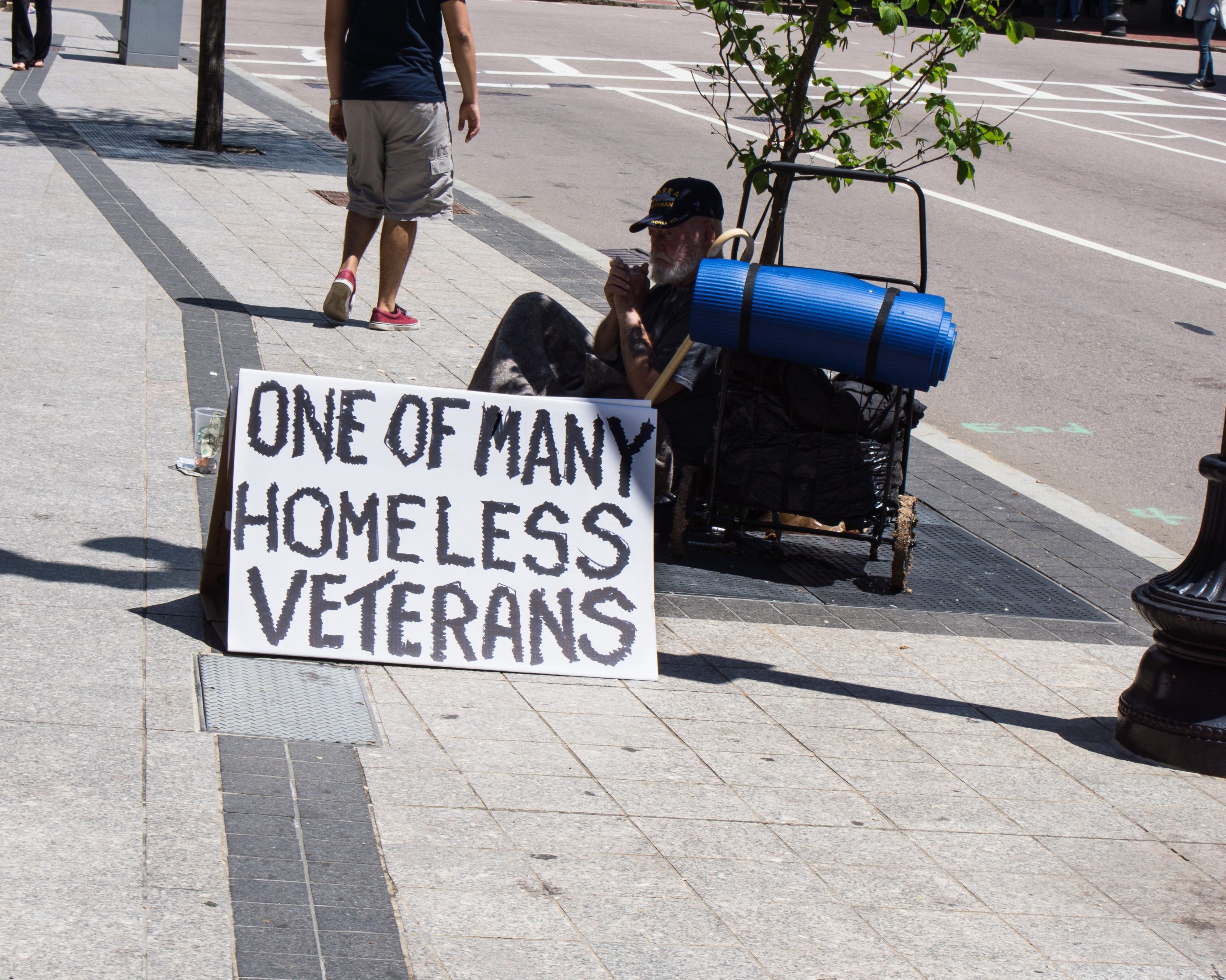
There is a unique kind of resilience built into the men and women who serve in our armed forces. It is a mindset forged in training and tempered by experience—a sense of self-reliance, discipline, and an enduring dedication to duty. But often, that very strength becomes a barrier when they transition back to civilian life, especially during difficult times.
We see them in our communities—the quiet individual at the grocery store, the person sitting on a park bench, or the neighbor whose lawn hasn’t been cut in weeks. Many veterans are facing challenges in silence. They are navigating the hidden wounds of service, financial instability, or the isolating nature of leaving a structured military environment for an often-indifferent civilian world.
And yet, if you ask, they will almost always say, “I’m fine.”
The Barrier of Pride
For many veterans, asking for help isn’t just uncomfortable; it feels like a failure. After years of being the ones who provide the solution, the ones who protect, and the ones who carry the load, reaching out for assistance feels like a betrayal of their identity.
They fear being considered a “burden” or a “charity case.” They have spent their lives standing tall, and pride often acts as the armor that keeps them from acknowledging they are hungry, cold, or without a place to rest their heads.
Why We Must Step In
We owe it to them to look past that armor. If you suspect a veteran is struggling, you don’t need to wait for a formal request for help. In fact, if you wait, you might be waiting forever.
Offering help is not an act of pity; it is an act of solidarity. If you see signs of need, find a way to offer support that preserves their dignity:
- The “Care Package” Approach: If you believe someone is struggling with food insecurity, don’t ask “Are you hungry?” Instead, offer an extra portion of a meal you’ve prepared, or drop off a bag of groceries with a simple note: “I had extra, and I thought you could use this.” It removes the stigma of “needing” and frames it as a neighborly gesture.
- Practical Assistance: Sometimes the best way to help is to focus on a task rather than the person’s status. Offering to help with a home repair, a ride to an appointment, or even a gift card to a local grocery store can give them the support they need to get through a difficult week.
- The Gift of Connection: Often, the most profound hunger is for connection. Taking the time to sit, listen, and simply acknowledge their service can break the cycle of isolation. A veteran who feels seen and respected is more likely to accept resources when they are genuinely at the end of their rope.
How to Offer Help Safely and Respectfully
If you see someone who appears to be experiencing homelessness or severe distress, approach them with the same respect you would show a high-ranking officer.
- Ask permission: “I’d like to help, if you’re open to it.”
- Be specific: Instead of “What do you need?” (which can be overwhelming), try “I’m heading to the store; can I pick up some water or a meal for you?” or “I know of a clean, safe place if you’re looking for a bed tonight.”
- Respect their answer: If they decline, don’t push. Occasionally, the knowledge that someone cared enough to notice is enough to spark a change in their mindset. Leave a contact number or a resource card for a local veterans’ service organization, and let them know you’re there if they change their mind.
A Debt of Gratitude
Our veterans sacrificed their best years so that we could enjoy our quiet, safe lives. When they find themselves in the dark, it is our turn to be the ones who hold the light.
Don’t wait for them to ask. Pride is a heavy shield to carry, but it’s one that no veteran should have to bear alone. Look for the signs, extend your hand, and remember that sometimes the greatest act of service we can perform is to look out for those who once looked out for us.