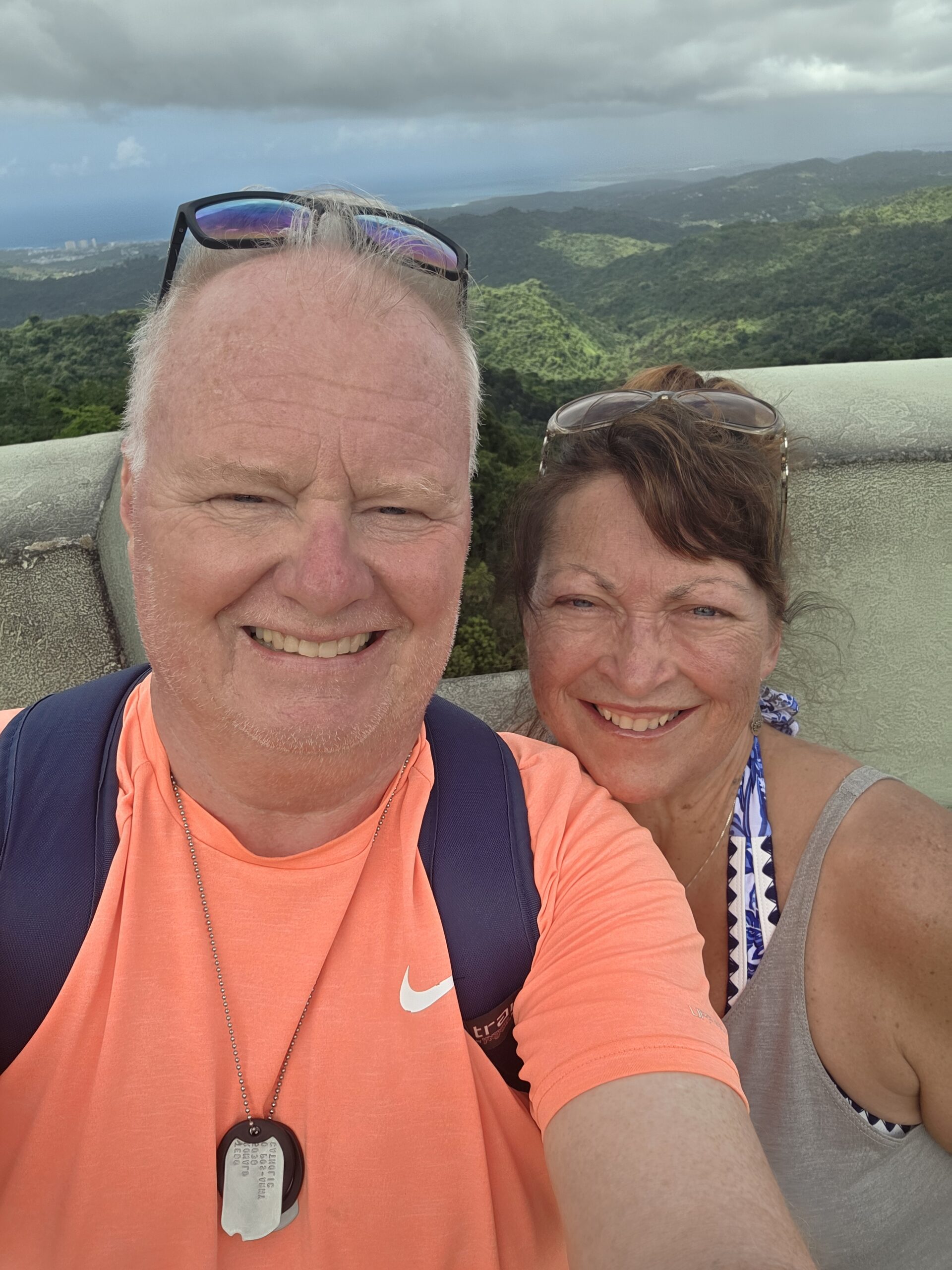
To all who served: Thank you. I’ll be looking for you.
In the civilian world, few outward symbols immediately identify someone as a veteran. We walk through grocery stores, sit in coffee shops, and commute to work, often moving through life without the “invisible string” that connects those of us who served.
For many, dog tags are something tucked away in a velvet-lined box or tossed into a “junk drawer” after the DD-214 is signed. But for me, they occupy a different space. I choose to wear my dog tags not as a relic of the past but as a bridge to the present.
The Invisible Language of Service
There is a unique phenomenon that happens when you wear your tags. It’s a subtle signal—a quiet “I was there, too.”
Usually, they remain hidden beneath a shirt, resting against my chest. But when I’m out in public and I catch a glimpse of another veteran—perhaps someone wearing a unit hat, a specific pin, or simply carrying themselves with that unmistakable posture—the tags become a tool for connection.
I don’t wear them to broadcast my service to the world; I wear them to identify myself to my brothers and sisters. When I meet a fellow veteran, there is often a moment of hesitation. How do you start that conversation? How do you connect “hello” to the shared understanding of what we went through?
Breaking the Ice
Wearing my tags has become a great way to start conversations. It’s a discreet, personal way to open a door.
When I observe that look—that shared recognition—I may pull my tags out from under my collar. It’s a silent gesture that says, “I am one of you.” It immediately shifts the dynamic of the conversation. The polite small talk dissipates, replaced by the genuine, instant rapport that only emerges between those who have walked the same path.
It’s an invitation. It allows the other person to decide if they want to engage. Occasionally, a nod is all that’s needed—a silent acknowledgment that we see each other. Other times, it leads to a twenty-minute conversation about where we were stationed, what we did, or a shared laugh about the absurdities of military life.
Expressing Gratitude
Beyond the connection, wearing my tags is a daily reminder of the weight of my own service and a way to honor the service of others. Seeing someone else’s eyes light up when they realize I’m a veteran is a powerful experience. It’s a moment of mutual gratitude.
When I encounter a veteran from a different generation, the tags act as a bridge across time. They signal that, regardless of when we served, the commitment remains the same. It’s a way for me to look another veteran in the eye and say, “I know what you gave, and I am grateful.”
A Connection That Doesn’t Fade
We are often told that the hardest part of leaving the service is the loss of the “tribe.” We go from being surrounded by people who understand our language and our experiences to feeling like we are outsiders in our own neighborhoods.
I’ve found that by wearing my tags, I’m never truly alone. I’m carrying a piece of my identity that is always ready to connect me with the people who “get it.”
So, if you see me out and about and notice that familiar clink of metal against metal, know that I’m not wearing them to show off. I’m wearing them because I’m hoping to cross paths with you. I’m wearing them because I’m proud of my service, I’m proud of yours, and I’m always ready to share a story, a handshake, or a simple nod of respect.